Automated Purchasing Operations

Free your buyers from manual purchasing tasks.

Centralize requisitions across your ERPs, replace inbox-driven work with structured flows, and automate Purchase-to-Pay processes to reduce PO cycle times and unlock team capacity. While others play catch up, you get in front of the spend.
airplane cockpit
The reality

Your buyers are busy. That's the problem.

In most purchasing teams, hours and days are spent in inboxes, ERPs, and task queues. Requests arrive by email, incomplete. Buyers switch between systems to check PRs, cost centers, and supplier documents. POs get created by hand, order confirmations get chased, and invoices wait for someone to validate them. Every step is small, but together, they are the busy work that consumes your teams capacity for everything else.

Lost capacity.

Manual PR assignment, validation checks, PO creation. Skilled buyers are tied by increasing volumes of transactional tasks, while headspace and headcount shrinks.

Inbox chaos.

Requests, clarifications, confirmations. They scatter across personal and shared mailboxes, calls, and Teams conversations - with no tracking, no prioritization, and no visibility until someone escalates.

Fragmented control.

Multiple ERPs, multiple eProcurement suites, multiple processes. No aggregated view of demand, no bundling, and no consistent controls.

One buying desk for all your ERPs.

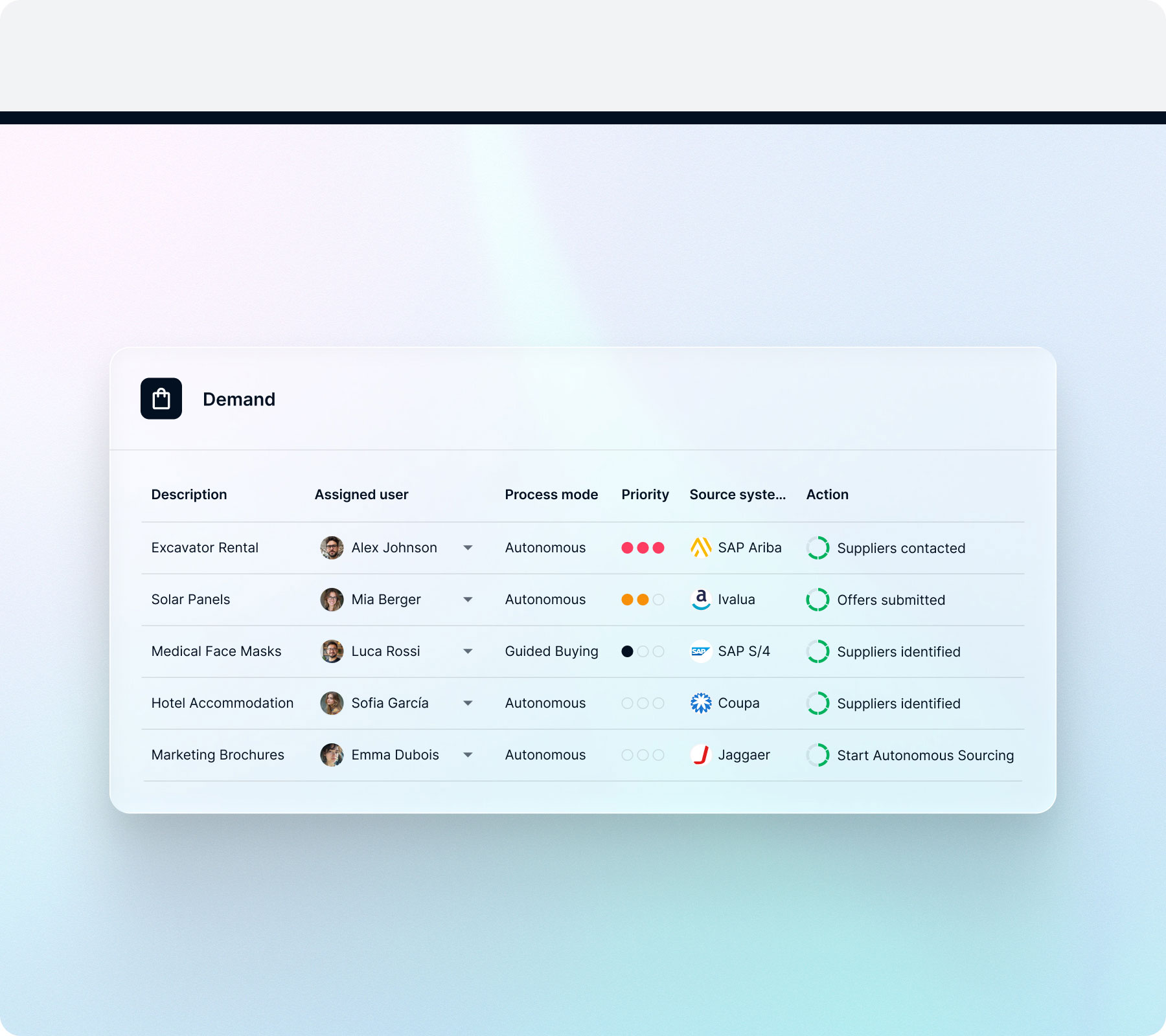
Your buyers shouldn't need five logins for one job. Centralize all direct and indirect requisitions by connecting your ERP and eProcurement solutions to our Central Buying Desk. Gain an aggregated view of demand to identify bundling opportunities while executing POs in the source system to satisfy business-specific processes and controls.

Requests belong in a workflow, not an inbox.

Email was never a procurement process. Replace inbox-driven requests with a single front door through our dialog-based intake or directly in Microsoft Teams, where stakeholders create, track, and approve purchase requests. Receive structured, complete requests and give every one of them a status everyone can see.

Triage, without the manual assignment.

You shouldn't have to assign and validate every requisition yourself. Increase the number of transactions managed per FTE by automatically assigning Purchase Requisitions to the right buyer. Validate every PR with custom rules for policy compliance, category, FICO objects, and supplier documents to remove the need for manual controls.

Policy compliance, built in.

Your stakeholders shouldn't need a policy training to buy a service. Reduce maverick spend by embedding your procurement, IT & data security, and TPRM policies into category-specific workflows. Check every request for completeness and compliance as it is created and avoid rejections with guidance from the start.

Supplier onboarding that helps the business do business.

New suppliers shouldn't take months. Let stakeholders request new suppliers directly from our central intake pane, then automate outreach, data collection, review, and approval management with customizable onboarding workflows. Define your qualification requirements once and let your business get to work faster.

Negotiations, even below the threshold.

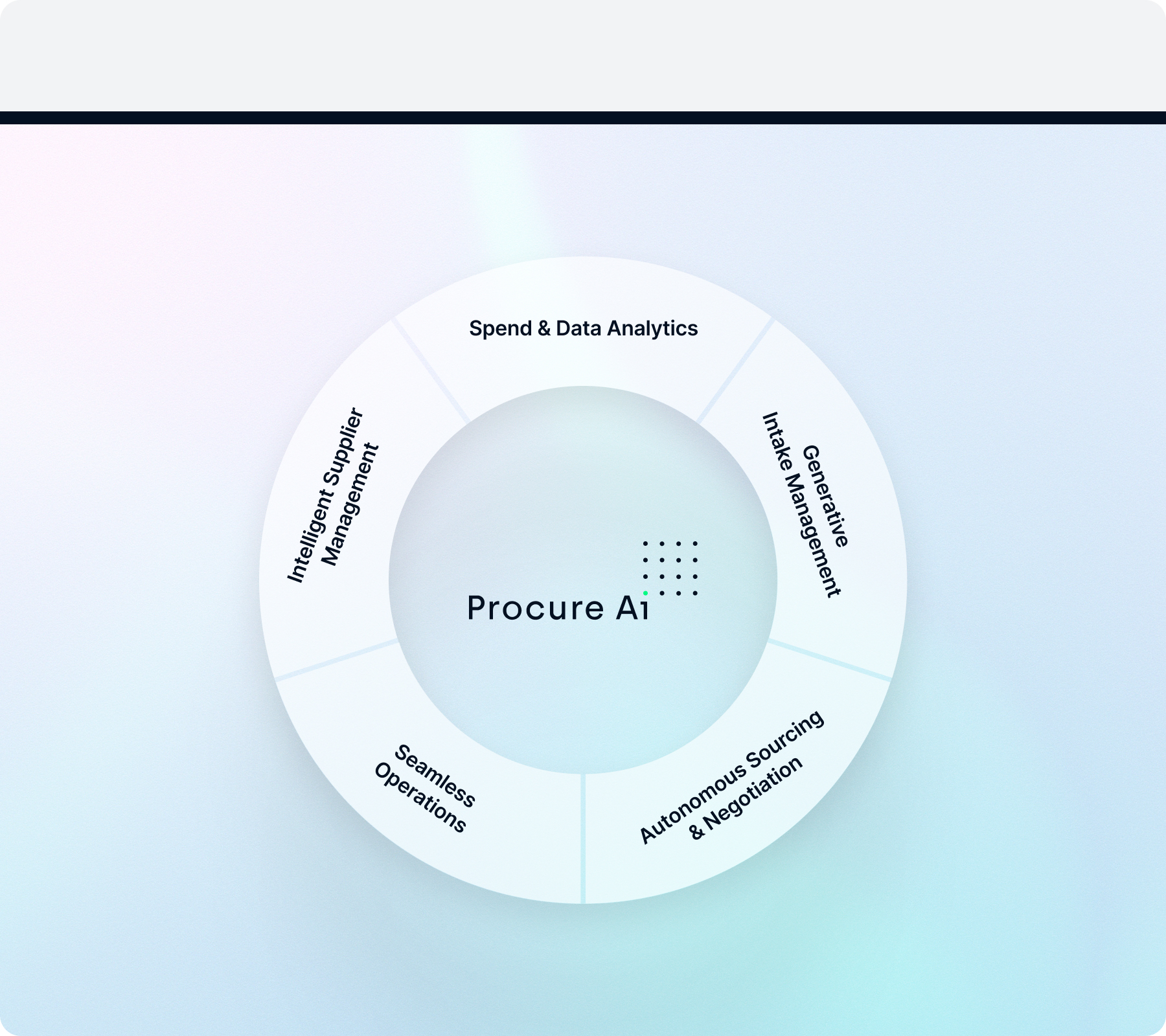
Don't be satisfied with the first quote (because it's the only one). Let stakeholders run tactical sourcing events under your supervision and configure autonomous negotiation agents in our AI Negotiation Cockpit to deliver an average 4.9% savings. Guidance doesn't stop at the negotiation, and neither do we. Orchestrate the Source-to-Pay process with our Procurement Automation Platform.

THE VALUE OF GUIDANCE IN INDIRECT PROCUREMENT

AI-driven guidance that makes the compliant path the easy one.

01

Reduced touch rate.

Automate PR triage, PO creation, Order Confirmation collection, and receipt capturing to reduce the manual touch rate by up to 90%.

02

Faster cycle times.

Reduce order processing time by 37% and PO cycle times by up to 45% with custom workflows for every category and business unit.

03

Centralized spend management.

Get all requisitions under control and identify bundling opportunities across multiple ERP and eProcurement solutions, without replacing your system landscape.

04

Increased resource efficiency.

Redeploy freed-up capacity to value-adding opportunities like business engagement, strategic sourcing or negotaition preparation.

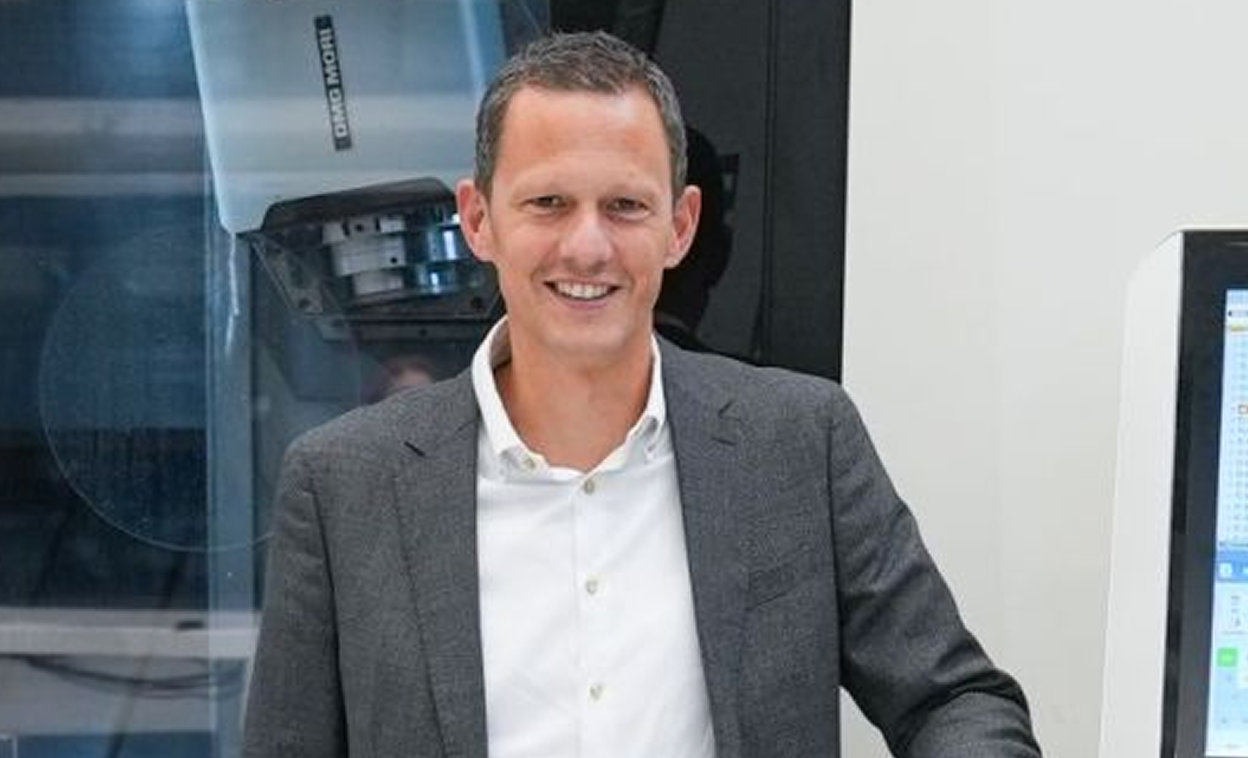
« Procure Ai représente l'avenir des achats d'aujourd'hui. C'est la seule plateforme qui exploite pleinement le potentiel de la technologie de l'IA, transformant ainsi de manière significative notre stratégie d'approvisionnement et nos opérations. »
Timo Rickermann
Directeur général et directeur des achats
IL Y A DMG MORI

FAQ

Quels processus d'approvisionnement devraient être automatisés en premier lieu ?

Commencez à automatiser les processus avec un volume élevé et peu de variabilité : achèvement et triage des relations publiques, création des bons de commande, routage des approbations, collecte des confirmations de commande, saisie GR&SES, rapprochement des factures et intégration des fournisseurs. Ils permettent des gains d'efficacité immédiats et renforcent la confiance en faveur d'une automatisation plus complexe. Procure Ai prend en charge l'automatisation de bout en bout de tous ces flux de travail prêts à l'emploi.

‍

Quelles opérations d'approvisionnement peuvent être automatisées de bout en bout ?

Gestion des relations publiques, création de bons de commande, approbations, réception des marchandises, rapprochement des factures et déclencheurs d'approvisionnement.

‍

Comment Procure Ai garantit-il la conformité des relations publiques ?

Les moteurs de règles configurables valident les demandes par rapport aux politiques d'approvisionnement.

‍

La plateforme peut-elle déclencher automatiquement des événements de sourcing ?

Oui Des flux de travail autonomes peuvent être déclenchés directement dès l'admission.

‍

Comment les KPI opérationnels sont-ils surveillés ?

Les tableaux de bord permettent de suivre le respect des SLA et les mesures d'efficacité opérationnelle.

‍

Combien de temps dure la mise en œuvre ?

Les délais dépendent de la portée de l'intégration et de l'étendue de l'automatisation.

‍

Still wasting scarce resources on manual transaction management?

Unlock team capacity now!