Source direct materials faster, turn engineering changes into complete RFQs, and negotiate as one company across every plant. While others scramble together their data, you protect margins and production schedules.
Direct materials are the largest share of Cost Of Goods Sold (COGS), so procurement decides the margin, and whether the line runs. Demand is driven by engineering: design updates and engineering change orders turn into new parts, new specifications, and new quotes across multi-level Bills Of Materials (BOMs). Plants across regions buy semi-independently on their own ERPs, while procurement aims to work hand in hand with engineering and production planning. Every supplier decision touches quality, delivery capability, supplier lock-ins or dependencies, and duties, so the cheapest quote is rarely the right answer. That is why procurement AI built for commercial indirect spend is often not cutting it.
Everyengineering change is a new quote.
Design updates, engineering change orders, new product introductions. Each one means new specifications, new RFQs, and another round of quotes, with long sourcing cycles potentially holding up production and launches. At the same time, procurement workload grows while headcount shrinks.
Same part, same supplier, three prices.
Plants that buy on their own waste leverage. Each plant negotiates its own prices, often with the same suppliers, and buys around frame contracts when that is faster. The result: price differences nobody sees, maverick spend at plant level, and no volume leverage across the group.
A missing part stops the line.
Electronics, castings, machining, chemicals, plastics. Shortages and late deliveries hit production directly, while changing tariffs, CBAM reporting on steel and aluminum, and supply-chain due diligence add checks to every supplier decision. When a supplier fails, a qualified alternative can't wait for the next sourcing cycle.
Thousands of parts in five systems.
Multi-level BoMs across SAP ECC, QAD, Infor, Oracle, PLM and spreadsheets. Part numbers, drawing revisions, qualified suppliers, and the last negotiated price all exist, but not together and not where the buyer needs them when the RFQ needs to go out. Each request starts with collecting data instead of designing negotiation scenarios.
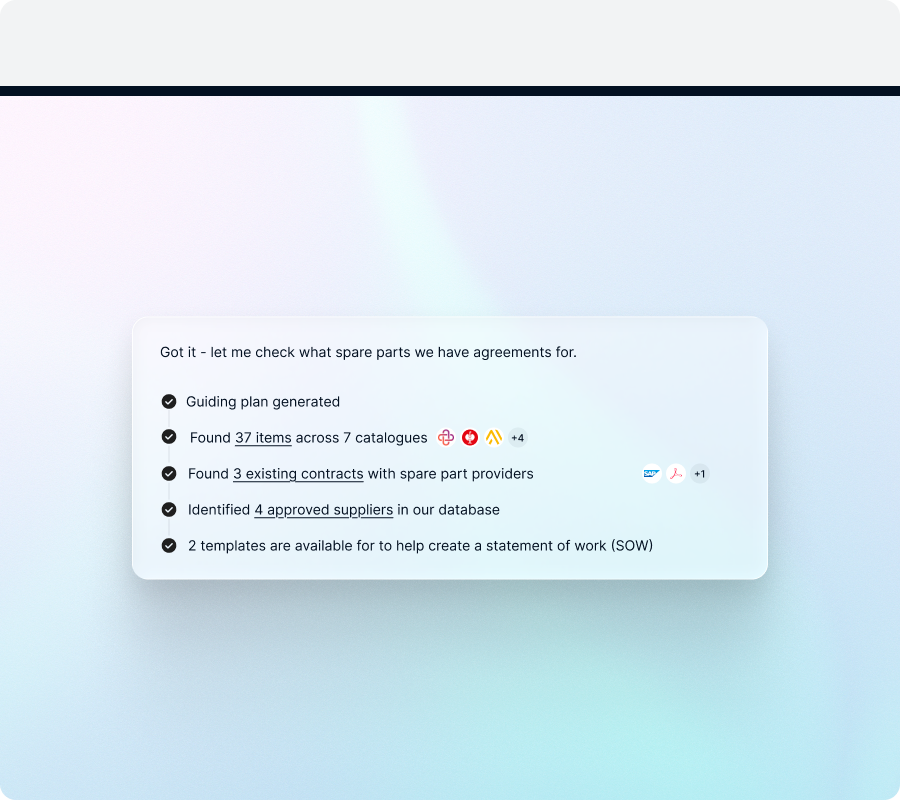
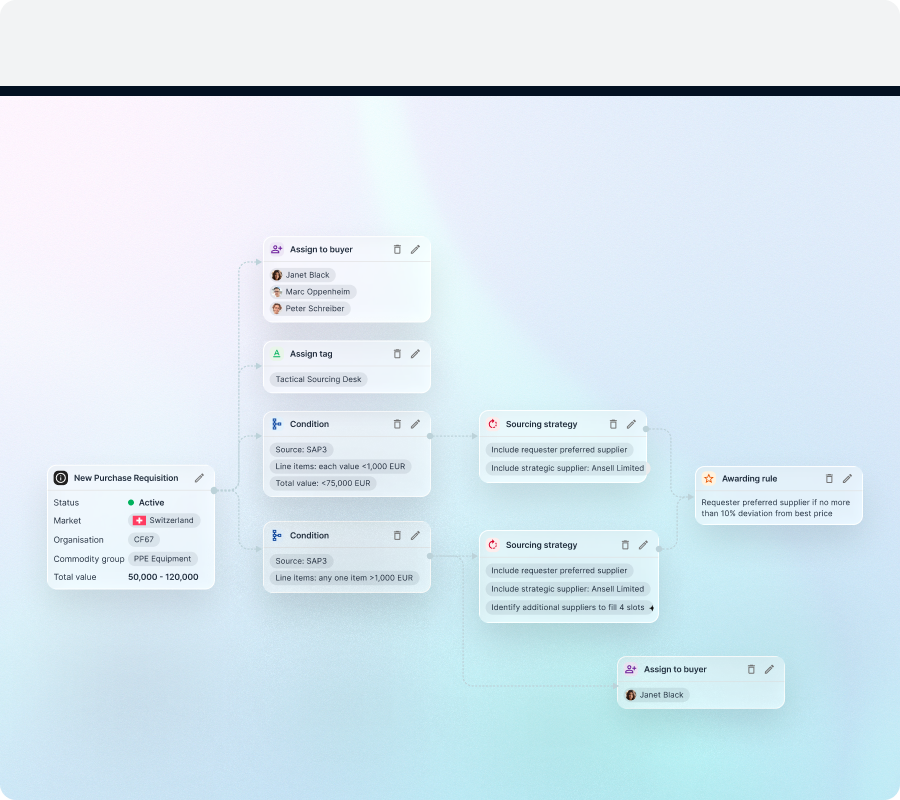
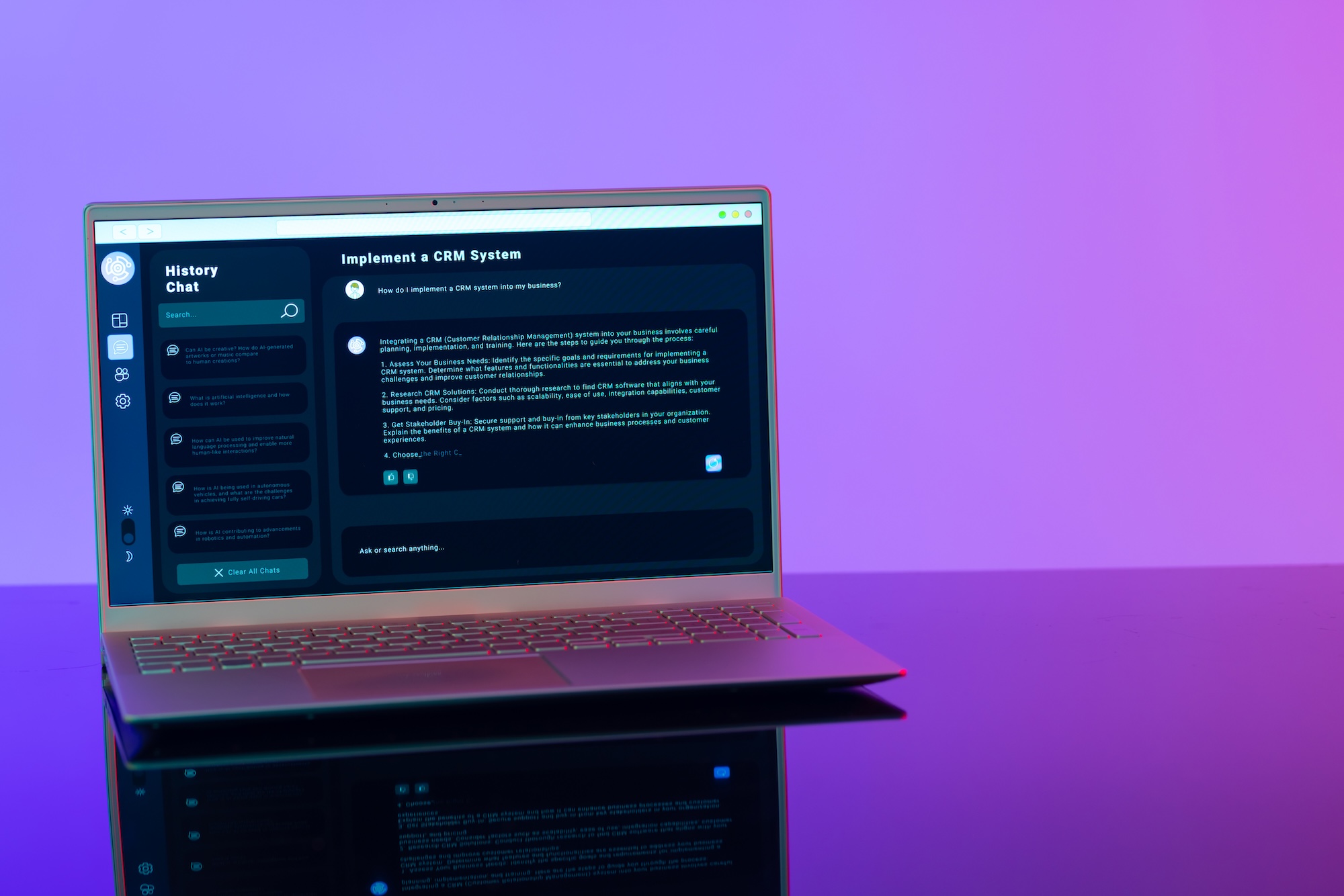
Stop chasing requesters and letting plants buy around frame contracts. Guided buying and our conversational intake capture every request from engineering, maintenance or the plant, including part numbers, quantities, and delivery dates. It then checks it against frame contracts and routes it by category and value. Call-offs become the default, maverick spend drops, and a new RFQ starts only where one is needed.

Stop paying different prices for the same part across plants. Bring price history from every ERP and plant into one data model, down to part number, and detect price differences and bundling potential across plants. Every new RFQ starts with a target price based on the best price in the group.

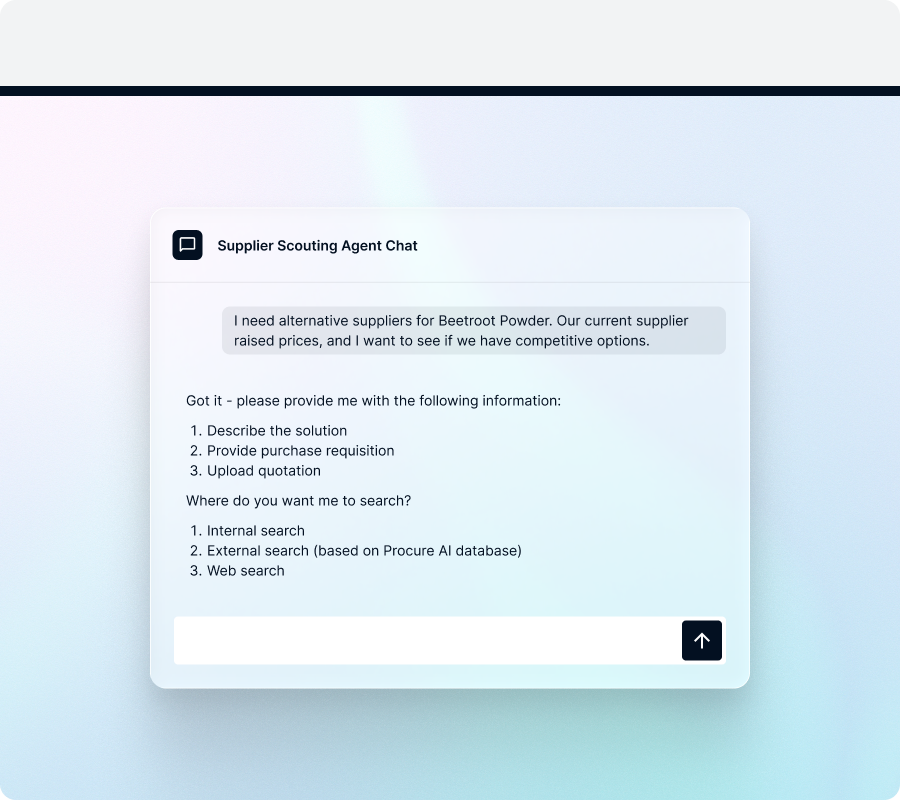
Stop starting from scratch when a supplier can't deliver or a new design needs a new capability. Predictive supplier scouting searches your supplier base and discovers new suppliers that can make the part. Proactively involving challenger suppliers increases competition, reduces dependencies, and keeps production running.

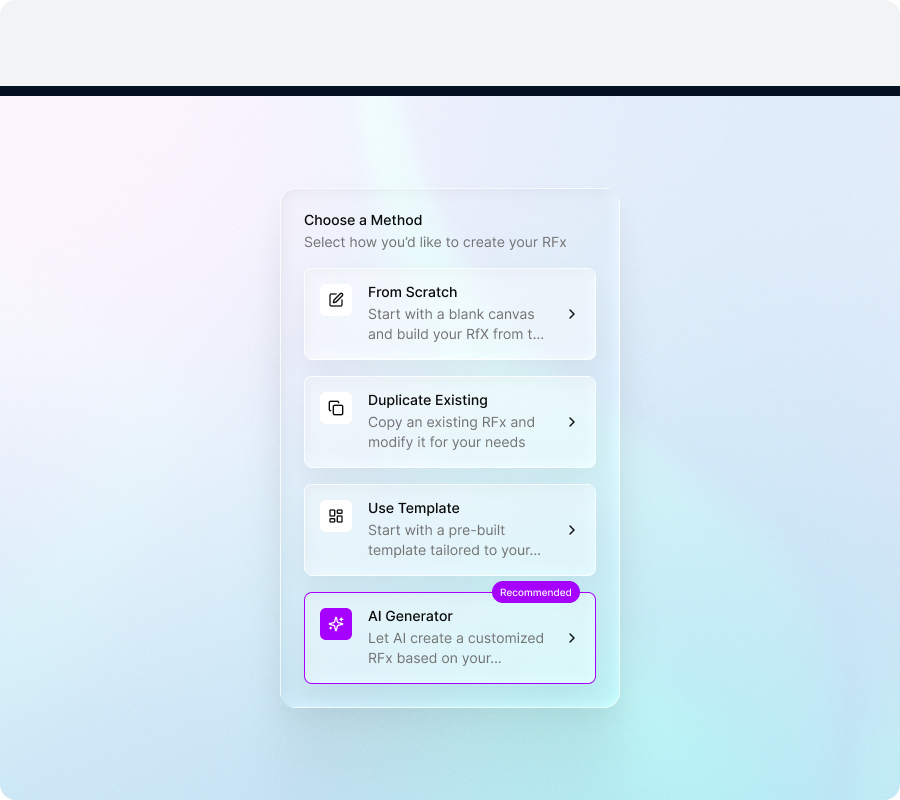
Stop assembling RFQ packages by hand and starting over when a drawing revision lands. Our RFP Document Generator drafts the RFQ from the captured request and your existing templates, with specification, drawing references, quality requirements, and delivery terms in place. Your buyer edits and releases it, so suppliers quote on the same basis, with less quote churn. And a design update is activated throughout documents and sourcing events in minutes.

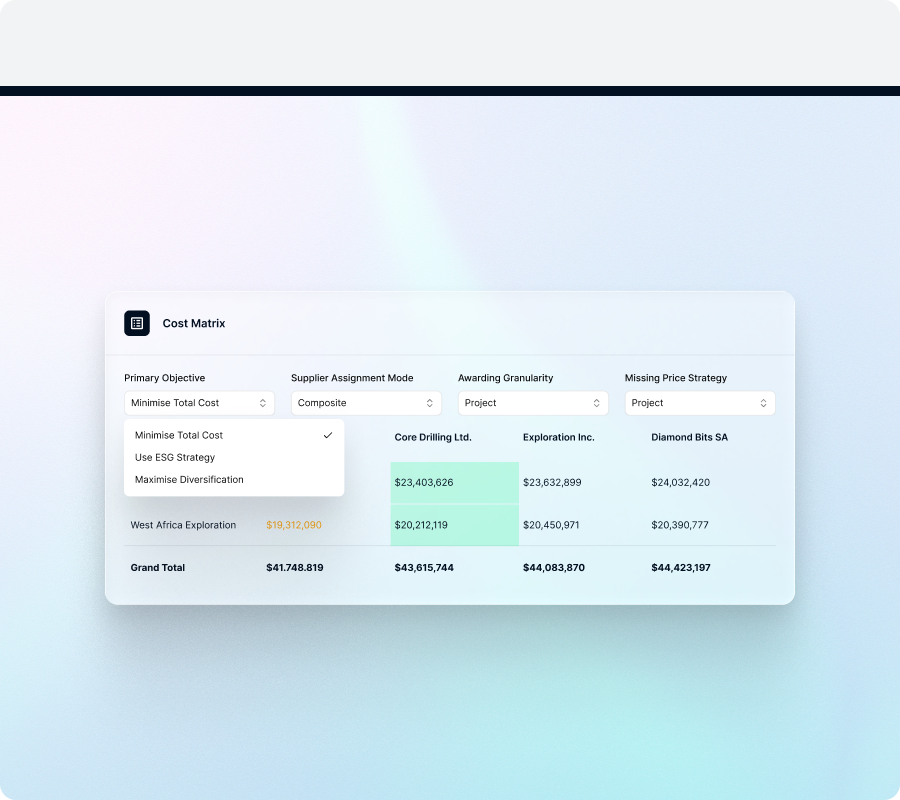
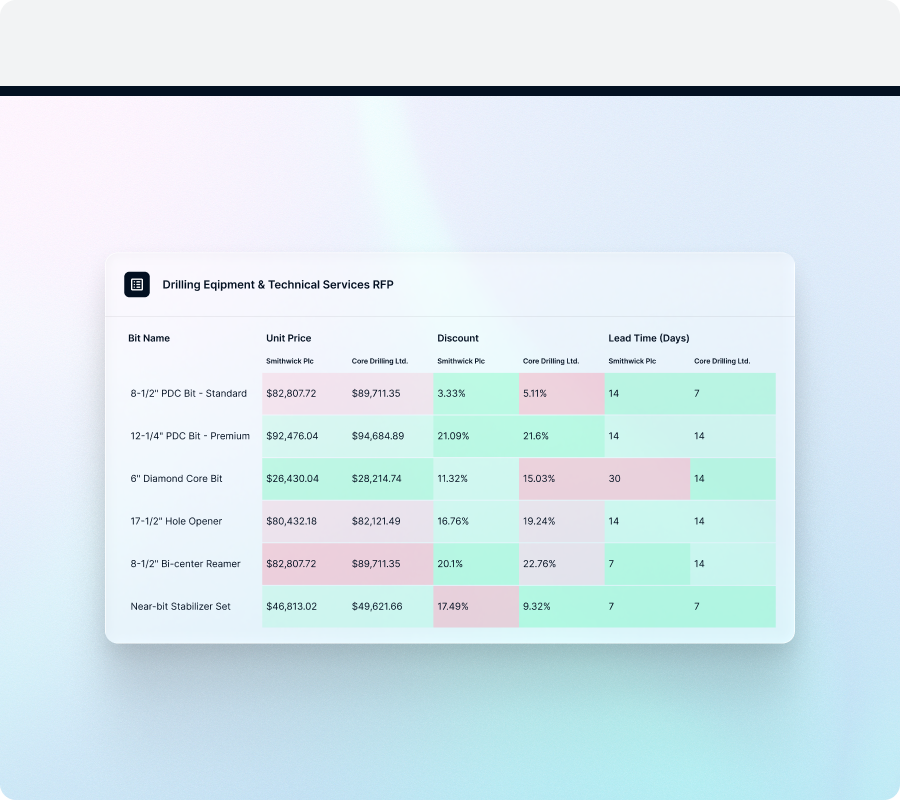
Stop splitting multi-level BoMs into dozens of spreadsheets. Run sourcing events across thousands of line items and hundreds of suppliers with expressive bidding, compare quotes on total cost, including tooling, lot sizes, Incoterms, and duties, and model award scenarios against capacity and risk-mitigation rules. Agents prepare the scenarios, your buyer decides.

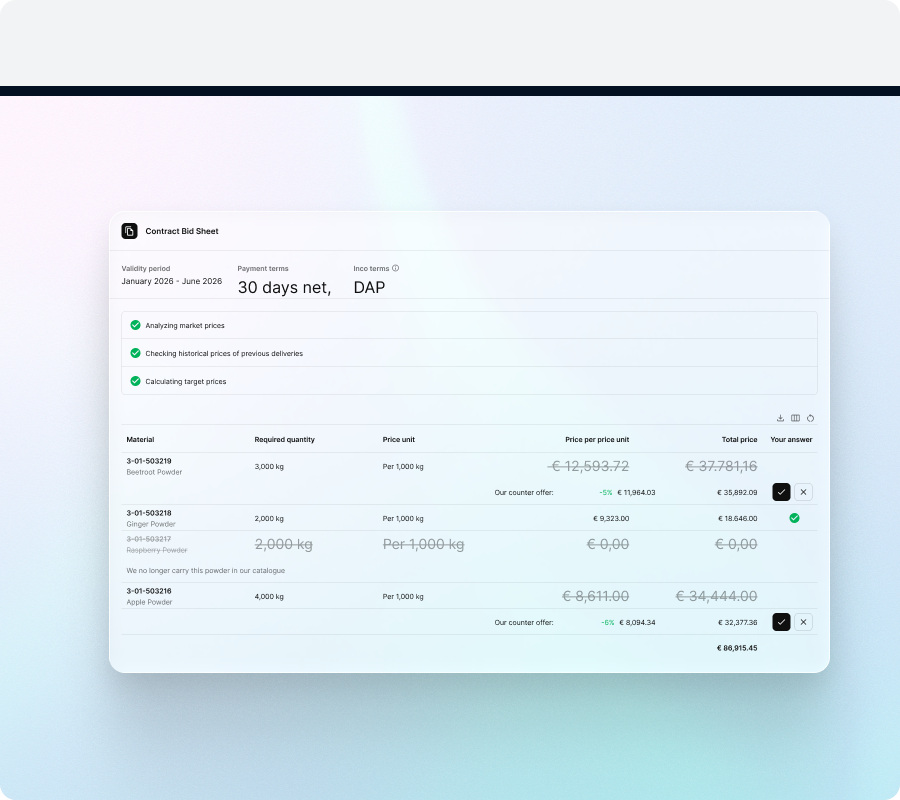
Stop leaving repeat parts and custom-part price sheets to the next annual round. Define triggers like MRQ runs or reorders and let autonomous agents source and negotiate with several suppliers in parallel, with target prices per line item and supplier, within the guardrails you set in the AI Negotiation Cockpit. Your buyer reviews the results and makes the award, the agent writes them back into your ERP.

Stop re-keying awards into the ERP and tracking delivery dates by email. Awards flow into purchase orders, order confirmations, and goods receipts across your ERPs, and ambient order risk sensing flags deviations and open orders at risk. You act before a late part causes costly production downtime.

37%
reduced order processing time
47%
faster award decisions
4.9%
average savings in tactical & tail spend negotiations
Target prices from the best price in the group, competition on every part, and line-item negotiations on direct materials bring savings to the spend that decides your margin.
Standard intake, sourcing and approval processes on one agent layer across SAP, Oracle, Microsoft Dynamics and your other ERPs, with spend and prices visible across plants and acquired companies. No migration required.
Order risks surface before they reach the line, and qualified alternatives are found when parts run short or designs change, so production schedules hold.
You choose where your data is hosted, including a dedicated SaaS deployment in your own cloud environment. Your data stays yours and is never used to train shared models. Security and audit controls apply on every layer, from data to agent action to interface.

Autonomous negotiations help Procurement deliver increased cost savings with AIAI-powered autonomous negotiations give procurement the tools to save more, scale faster, and increase efficiency. Explore how it works.
Blog
011
AI in Strategic SourcingThe inability to manage, analyze, and optimize complex tenders in standard sourcing tools keeps Procurement stuck in Outlook and Excel. AI enables sourcing managers to break that pattern.
Blog
Webinar
039
Gain spend visibility across departments, frameworks, and ERPs in one place, including the below-threshold nvolume nobody reports on today.
Let requesters describe needs in plain language and route every request by threshold, category, and existing framework.
Run below-threshold and repeat purchases autonomously, from supplier search to negotiation, within guardrails your procurement office sets and can change.
Prepare specifications and evaluate bids against your published criteria. Agents prepare, your team decides.